
Sustainable Development
CompassionLink offers sustainable solutions for communities in need by working together with missionaries, churches, and communities. Sustainable solutions are possible when the Lordship of Christ is brought into every part of life and community. God’s Word is full of His vision for our lives. By helping people understand that and recognize the blessings, resources, and assets He has provided, transformation can begin.
-
Zai Holes
Small holes about 12" in diameter dug in less permeable soils filled with compost and organic matter to feed the plant
Usually used in arid regions to capture runoff, improve soil, boost crop yields, restore degraded land, and fight desertification
Double Digging
A deep soil preparation in order to improve poor or compacted soils and support deep rooted crops
The top soil is removed. The next layer is broken up and amended with organic matter to improve water retention and enrich the soil. The original top soil is restored.
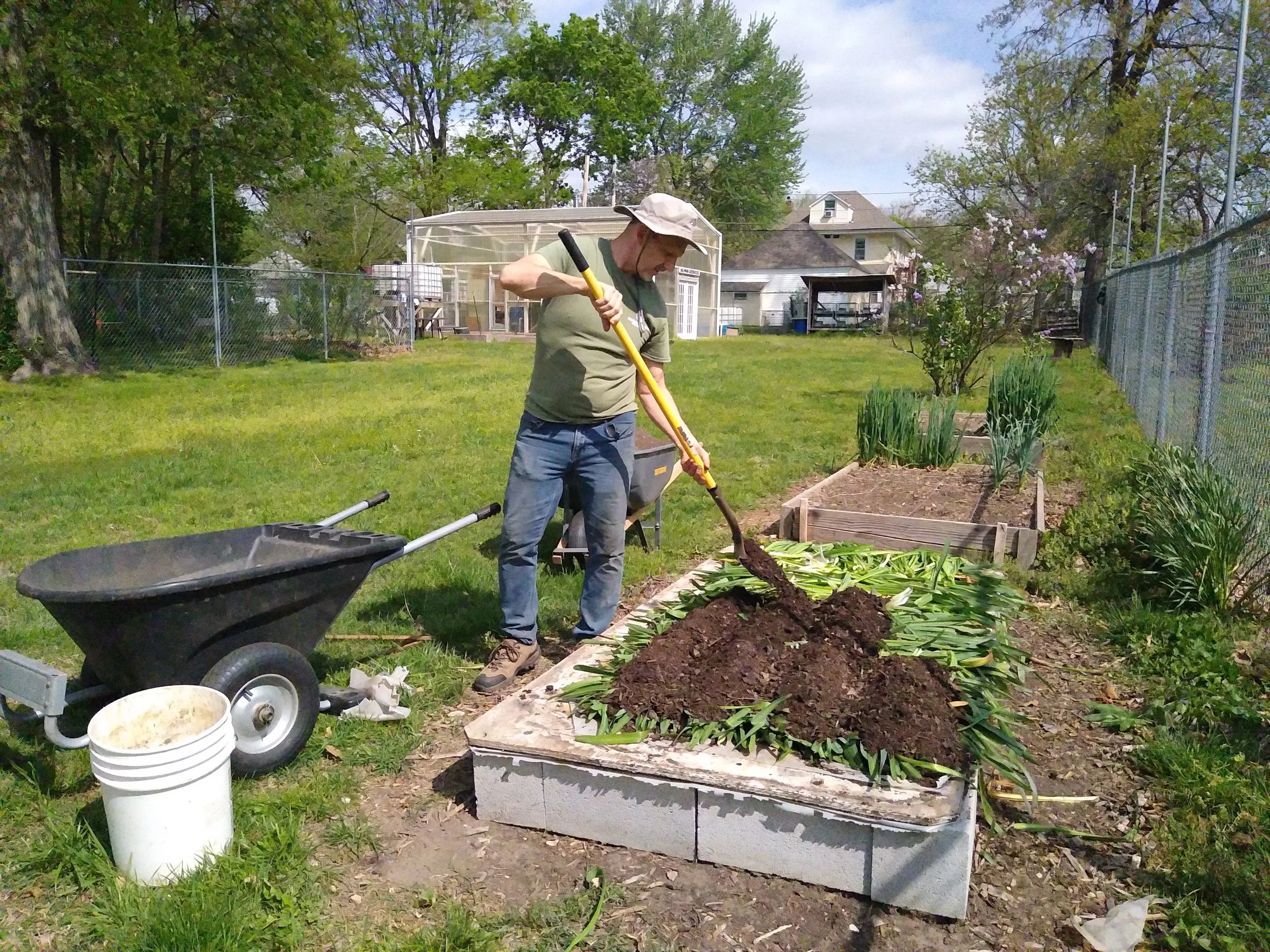
Composting
The decomposition of organic materials including carbon rich 'browns' (dry leaves, straw, hardwood chips and sawdust, shredded paper and cardboard, etc.) and nitrogen rich 'greens' (food peelings, garden waste, cut grass, etc.) that, when combined with water and air, makes a nutrient rich soil amendment
Composting reduces landfill waste and improves soil health.
Companion Planting
The practice of growing specific plants near each other to create mutually beneficial relationships
Plants support each other by repelling pests, attracting beneficial insects, improving soil nutrients, providing shade, or offering physical support for climbing plants.
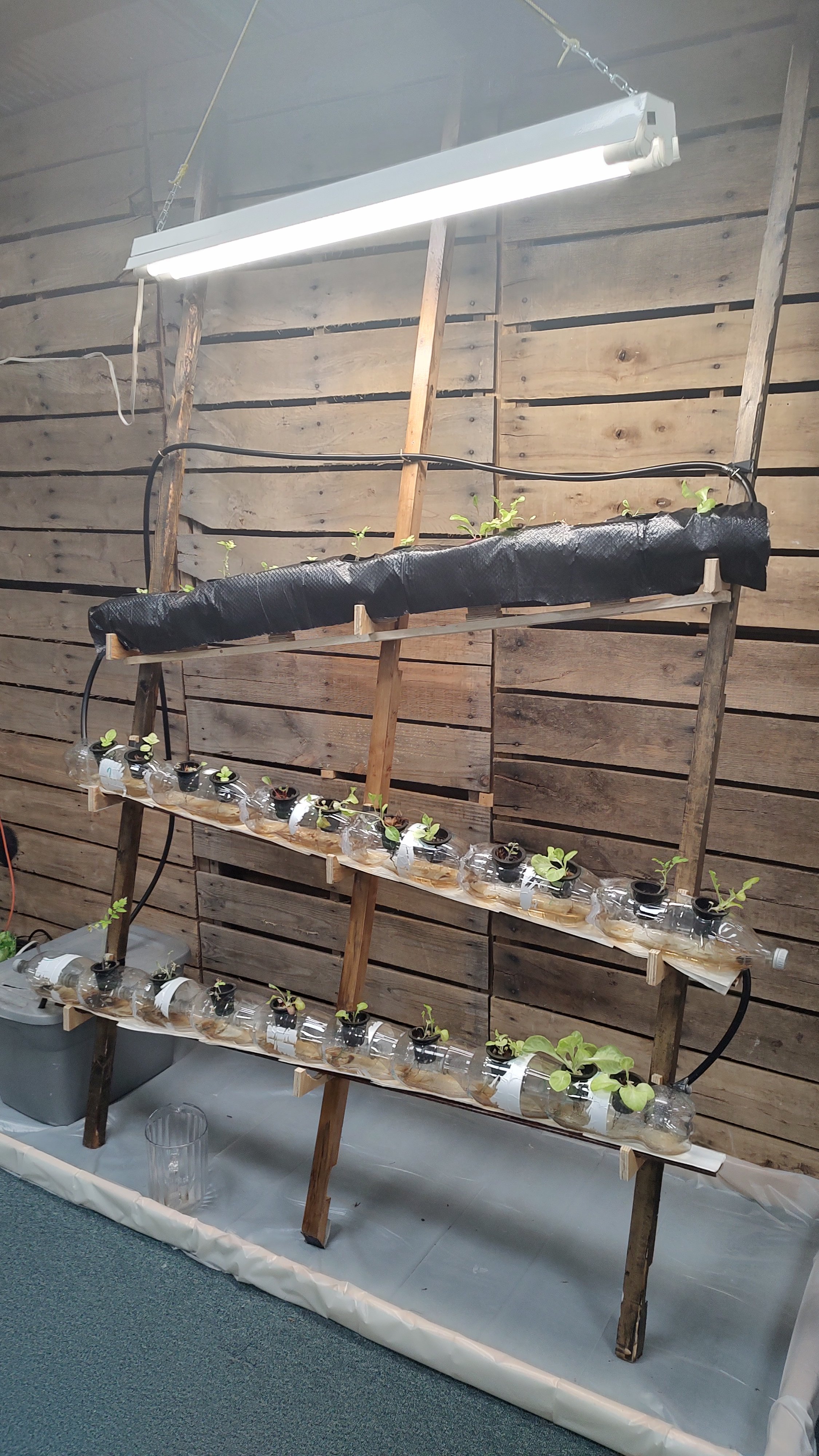
Vertical Gardening
The practice of growing plants upward using structures like trellises, wall planters, or stacked containers, for the purpose of maximizing space in small or urban environments
Sack Gardening
A simple, low cost, vertical gardening method where a sturdy sack (often burlap) is filled with soil and compost then planted with small vegetables or herbs
They save space, are portable, low cost, water efficient, and adaptable.
Rooftop Gardening
Provides access to fresh food in a limited space or urban environment
Benefits include reducing the urban heat island effect, providing a natural insulation making buildings more energy efficient, supporting urban pollinators, and cleaner urban air.
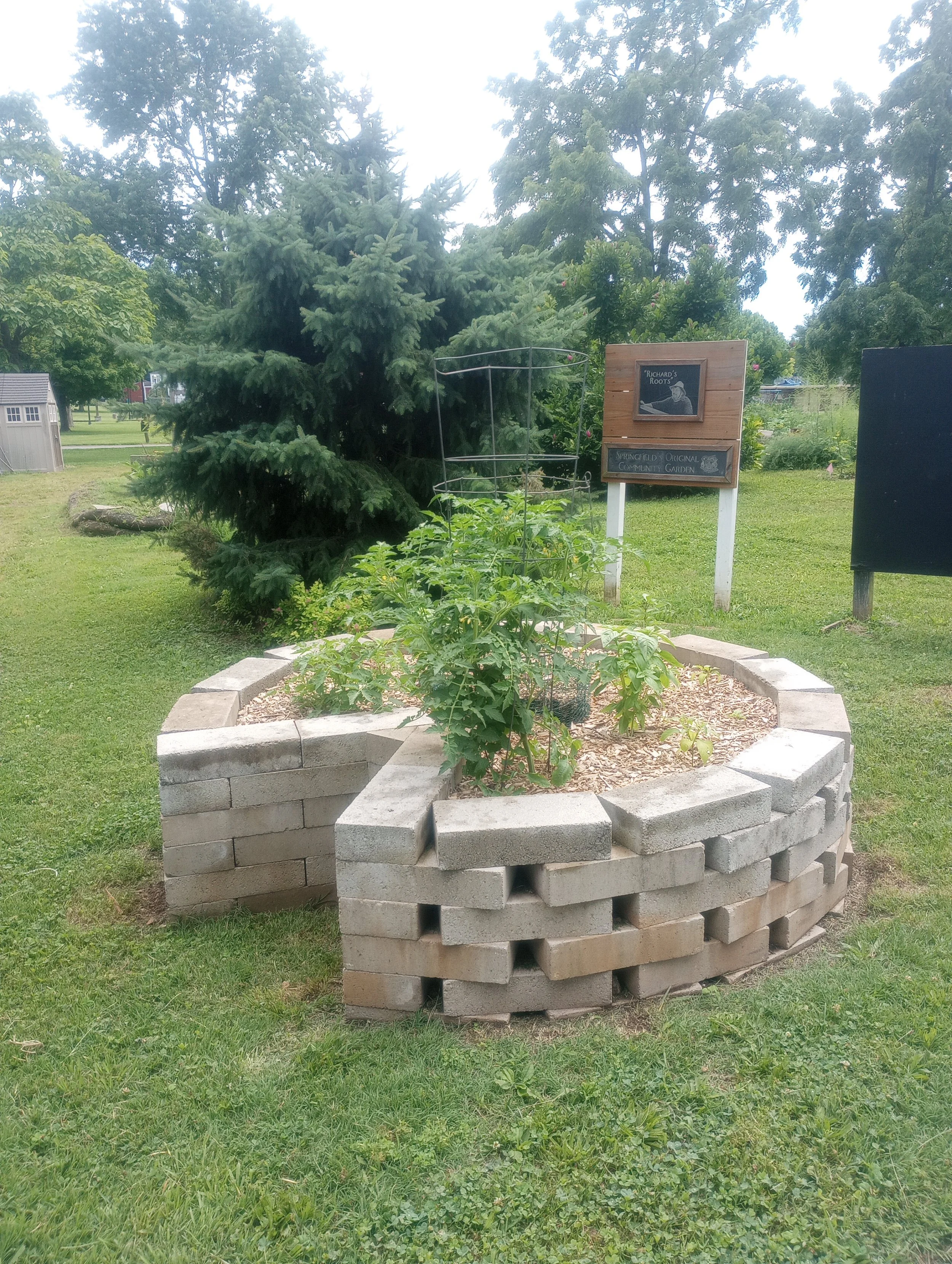
Raised-bed Gardening
A method of growing plants in soil that is elevated above ground level
This offers improved soil quality, better drainage and aeration, a longer growing season, easier weed and pest control, intensive planting for increased yields, and better accessibility.
Square Foot Gardening
A technique that emphasizes intensive planting in small areas typically planting different vegetables in one foot squares next to one another
Benefits include space efficiency, less work weeding/tilling, less water usage, higher yields, accessibility, and pest reduction.
Drip Irrigation
A watering method that delivers water and nutrients slowly and directly to the plants root zone
Benefits are water efficiency, reduced evaporation and runoff, and weed control.
Needed are tubing, drippers, and a water delivery system.
Moringa
A nutrient rich tree that grows in tropical and sub-tropical regions
It is valued for its high content of vitamin C, carotene, phosphorus, potassium, magnesium, calcium, protein, and other essential minerals.
It has nutritional, medicinal, and industrial uses, making it a highly versatile crop.
-
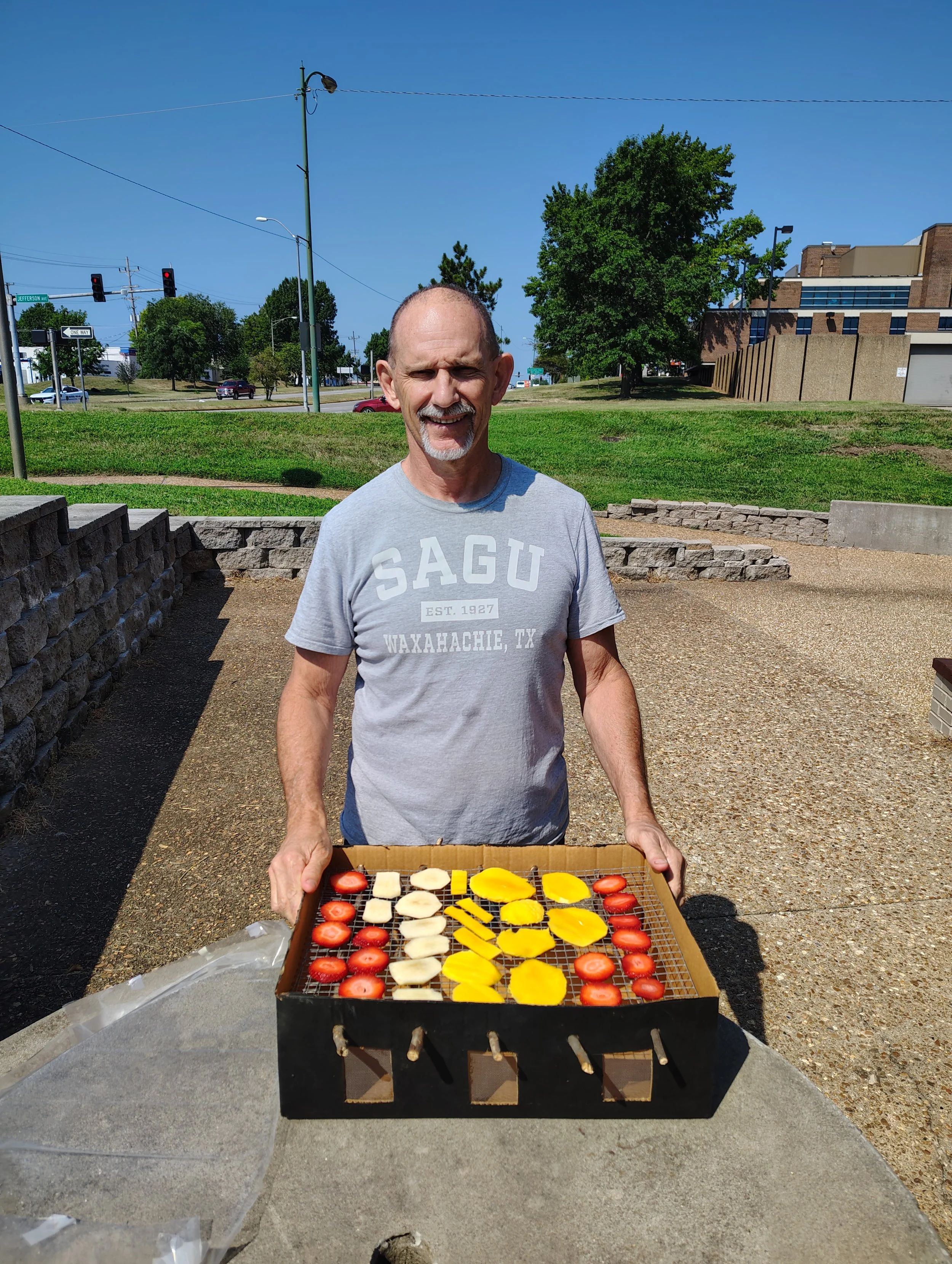
Solar Dehydrators
An easy way for constructing a method to preserve fruits and vegetables by drying using the power of the sun
Canning
Smoking
-
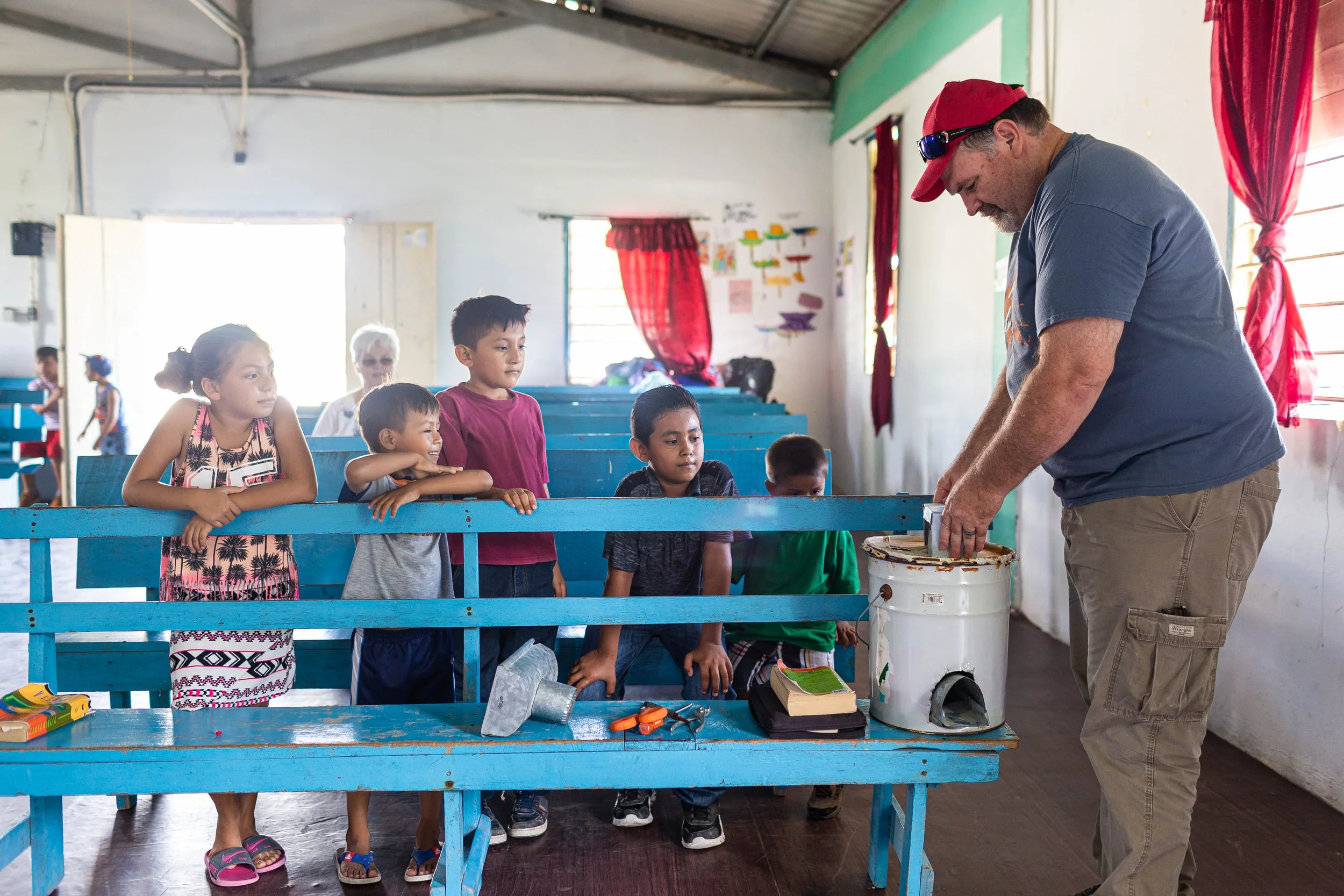
Rocket Stoves
Fuel efficient cooking stove that produces very little smoke using small sticks instead of large pieces of wood
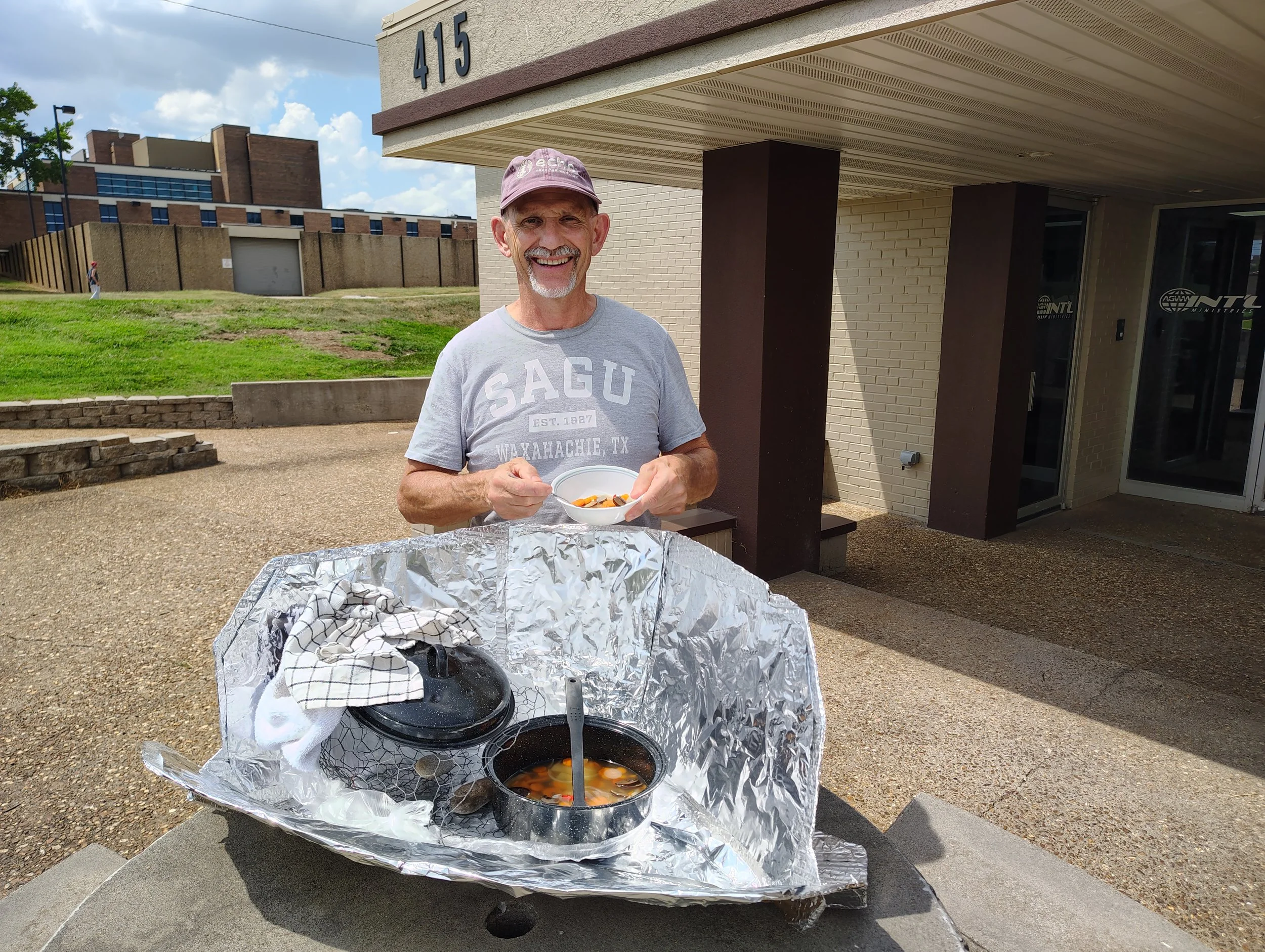
Solar Cookers and Ovens
Method of using simple materials to construct a stove or oven, using the power of the sun as a heat source for cooking food
Briquette Press
A method of using grass, twigs and paper to make fuel bricks for cooking